Ceylon Sapphires, Minus the Souvenir Energy: A 2026 Wearing Guide
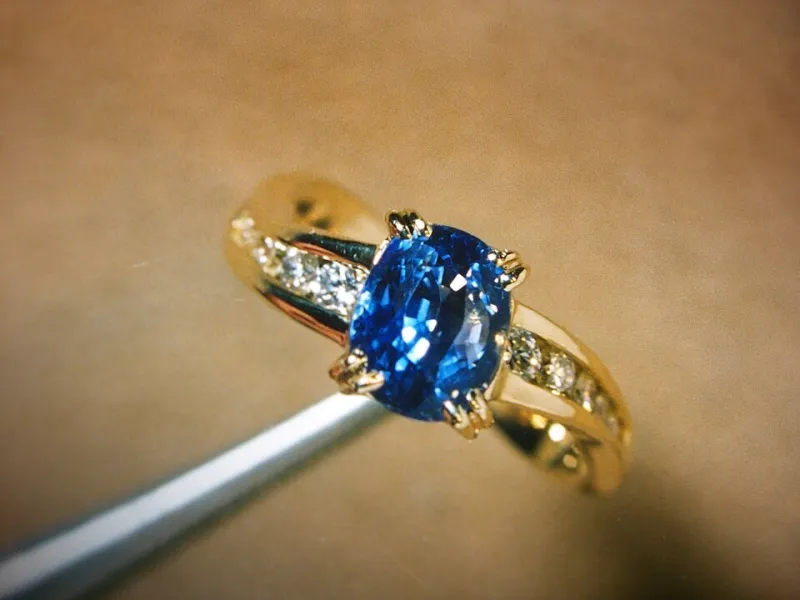
Photo: gemteck1 from Seattle, Washington, USA, CC BY 2.0, via Wikimedia Commons
September has long been the month when sapphires get trotted out, acknowledged as a birthstone, and then quietly returned to the jewelry box. In 2026, that feels increasingly out of step. American jewelry shoppers are treating the Ceylon sapphire less like a once-a-year obligation and more like a daily-wear workhorse — a stone with history, color, and enough backbone to sit beside denim, tailoring, and plain white cotton without asking for permission.
That shift is worth paying attention to, especially if you have only encountered sapphires in traditional halo pendants or inherited rings that feel too formal for a Tuesday. Sri Lanka’s sapphire story is much wider than that. So is the way people are wearing it now.
Why Ceylon Still Means Something
Sri Lanka has been a gem source for centuries, and the old trade name “Ceylon” still carries weight in jewelry conversations. The country’s gem-bearing regions, particularly around Ratnapura, are known for sapphires in a range of blues as well as fancy colors — pink, yellow, padparadscha, and more. That variety matters. It means the Ceylon sapphire is not one fixed look. It can be cornflower-bright, inky, soft, or almost peachy, depending on the stone and the light.
There is also a sourcing conversation to have. Sri Lanka’s gem sector includes small-scale mining and long-standing local trade networks, but “ethical” is not a sticker you can apply to an entire country. For buyers, the practical move is to ask questions: Where was the stone sourced? Has it been treated? What does the certification say? In 2026, American shoppers are more comfortable asking those questions than they were a few years ago, and reputable sellers expect them.
The Setting Shift Is Real
The biggest change is not in the stones themselves. It is in how they are set. The formal, high-profile sapphire ring still has a place, but the fresher look is lower and more architectural. Bezel settings make a sapphire feel modern and easy to wear. East-west settings turn an oval stone sideways and give it a quieter, more editorial feel. Signet-style rings, chunkier gold bands, and mixed-metal settings all make the stone feel less precious and more personal.
For everyday wear, low profiles matter. A sapphire that sits close to the finger or wrist is less likely to catch on a sweater or knock against a desk. That sounds practical because it is. The most wearable jewelry is usually the jewelry you do not have to think about.
How to Wear It Without Looking Like a Tourist
The tourist trap is not the sapphire itself. It is the styling that treats the stone like a costume piece — paired with matching resort prints, too many woven accessories, and a general air of “I bought this on vacation.” The fix is simple: let the sapphire be the one special thing.
Try a single sapphire ring with a plain white tee, dark jeans, and a blazer. Wear a slim sapphire bracelet next to a plain gold chain. Swap a diamond stud for a small sapphire one and keep the rest of the outfit clean. If you are wearing a sapphire pendant, skip the matching earrings and let the neckline do the work. The stone reads more modern when it is not surrounded by theme music.
Metal choice is flexible. Yellow gold warms up blue sapphires and makes them feel a little vintage. White gold or platinum keeps things crisp. Mixed metals are no longer a rule-breaker in most wardrobes, so a sapphire set in white metal can sit happily beside yellow-gold bands.
What to Ask Before You Buy
Color is personal, but cut is where many buyers get surprised. A well-cut sapphire can look lively in indoor light; a poorly cut one can look flat even with good color. Ask to see the stone in different lighting, including daylight and office light. Certification from a recognized lab is useful, especially for larger or more expensive stones. Treatment disclosure is not optional. Heat treatment is common and accepted; unheated stones often carry a premium. Neither is automatically better for you — it depends on your budget and what you want.
Origin matters to some buyers and less to others. If Sri Lankan origin is part of the appeal, ask for it in writing. Do not rely on a vague verbal nod.
Care Is Straightforward
Sapphire is durable — hardness 9 on the Mohs scale — but that does not make it indestructible. The setting can still snag, and stones can chip if knocked hard. Clean with warm water, mild soap, and a soft brush. Avoid harsh chemicals and store pieces separately so they do not scratch softer jewelry.
The larger point is that a Ceylon sapphire does not have to be saved for a special occasion. In 2026, the best version of this stone is the one you actually wear — with jeans, with tailoring, with a plain shirt and no occasion at all.