Jewel Tones, One Loose Layer, and a Rule Worth Breaking: Sri Lankan Style Notes for 2026
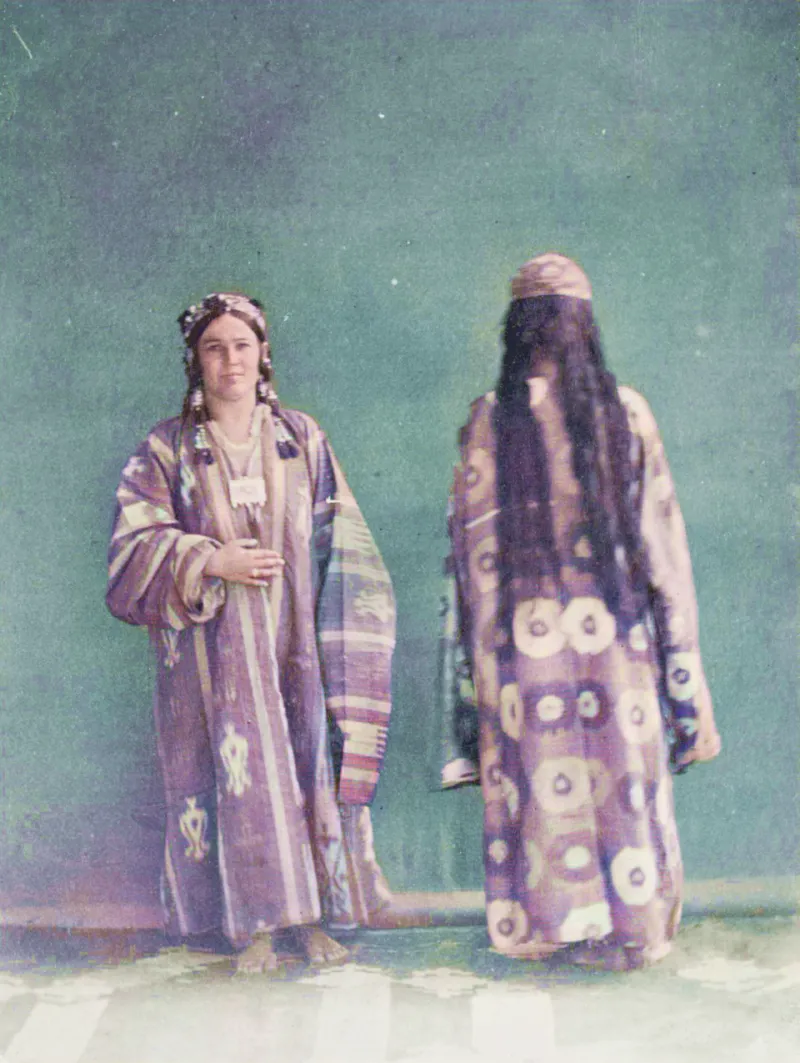
Photo: Kun, Aleksandr L., 1840-1888, Public domain, via Wikimedia Commons
Every country has a set of unwritten dress codes that locals absorb without ever naming them. Sri Lanka is no exception. Spend a week watching how people dress for heat, holidays, and everything in between and you start noticing patterns that have nothing to do with runway trends and everything to do with living well in a warm climate.
Which is exactly why they translate. US street style in 2026 is in a very practical mood. People want clothes that survive a commute, a heat wave, and a dinner reservation without a costume change. That is basically the Sri Lankan brief. So here are five habits worth stealing, and one convention that can quietly stay in the past.
1. Layer Like the Weather Might Change
The great misconception about hot-climate dressing is that it means wearing less. It usually means wearing one light, loose, removable layer that fixes whatever the day throws at you: sun, over-air-conditioned offices, an evening breeze, a sudden downpour.
That is why the light overshirt is such a workhorse. A cotton or linen button-down worn open over a tank does more work than any trend piece in your closet. It handles sun protection without sunscreen, it makes a plain white tee look intentional, and it can be tied at the waist or slung over a shoulder the moment the temperature climbs. The Sri Lankan version of this is often a light cotton shirt in a soft hue over relaxed trousers, and the effect is unfussy rather than dressed-up.
Try it in 2026 with a boxy oversized shirt in an off-white or sand, worn open over something slim. It is the single easiest way to make a basic outfit look considered.
2. Treat Jewel Tones as Neutrals
Here is where US wardrobes get timid. We treat navy, camel, gray, and black as the safe choices and relegate deep emerald, sapphire, magenta, and burnt orange to special occasions. Sri Lankan dressing does the opposite. Rich color is everyday, and it works because the colors are grounded in something.
The trick is not the shade. It is the fabric. Jewel tones read as calm and expensive in matte, natural textures, cotton, linen, raw silk, handloom. They read as cheap in anything shiny or synthetic. Swap the black blazer for a deep teal one in a textured weave and you will see the difference immediately.
If you want a low-risk entry, take the color you already like and get it in a looser, more matte version of a piece you already own. A deep green shirt in a slubby cotton does more for a jeans-and-tee rotation than another gray one ever will.
3. Buy the Fabric First, Cut Second
This is the quiet thesis behind a lot of Sri Lankan style. The cloth does the talking. Handloom cotton, linen blends, and light silk have a texture that makes simple shapes look rich, which is why a plain shirt in the right fabric beats a complicated one in the wrong fabric every single time.
In practice, that means handling things before you buy them. Pinch the fabric. Hold it up to the light. If it feels stiff or squeaky, it is going to look tired by August no matter how good the cut is. This one habit will fix about sixty percent of wardrobe regret.
4. One Loud Thing, Everything Else Quiet
The instinct when you are excited about a piece is to build an outfit around it and then keep adding. Resist. The strongest looks in Colombo are almost always one statement item, whether that is a bold print, a saturated color, or a piece of gold jewelry, sitting against a completely plain backdrop.
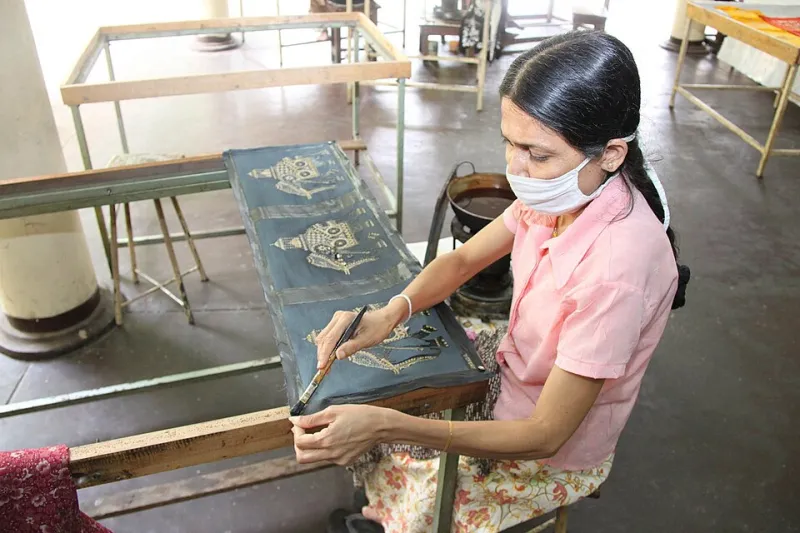
A bright batik shirt with black trousers. A jewel-toned dress with flat sandals and nothing else. A single chunky necklace over a plain tank. The restraint is what makes the loud thing look deliberate instead of accidental. Think of it as contrast budgeting: you have one big spend per outfit, and everything else is small bills.
5. Fit the Shoulders, Forgive the Rest
The prevailing silhouette in Sri Lankan everyday dress leans relaxed and forgiving, with volume through the body and clean lines at the shoulder. That is not laziness. It is a considered approach to a climate where tight clothing is genuinely uncomfortable.
The takeaway for 2026: get the shoulder seam right and then stop worrying about the rest. A shirt that sits properly at the shoulder will look sharp even when it is oversized everywhere else. This is the difference between relaxed and sloppy, and it is the one measurement worth learning about your own body.
And the One We Are Leaving Behind: the Rigid Matching Set
Time to retire the head-to-toe coordinated look. Not the matching set as a concept, which can be great, but the version that insists everything must correspond in exactly the same print, shade, and level of formality. It is the styling equivalent of a person who cannot leave a party without checking the table settings.
Matching sets photograph beautifully and live awkwardly. You cannot wear the top without the bottom feeling orphaned. You cannot swap one piece in without breaking the spell. And a perfectly coordinated outfit in 2026 reads slightly dated, a little too rehearsed for a moment when everyone is deliberately mixing high and low, new and vintage, structured and soft.
Better move: break the set on purpose. Wear the matching trousers with a plain tank. Wear the top with worn denim. Keep the color family and let the formality drift. The result looks like a person got dressed rather than a person got matched.
The Summary Version
One removable layer. Jewel tones in matte fabrics. Fabric before cut. One statement per outfit. Shoulders first, everything else second. And no more head-to-toe coordination.
None of this is exotic. It is just good warm-weather logic that happens to have been refined over a long time in a place that understands heat. Steal it.