The Hardware Nobody Notices Until It’s Wrong: Coconut Buttons and the Quiet Case for Slow Tailoring
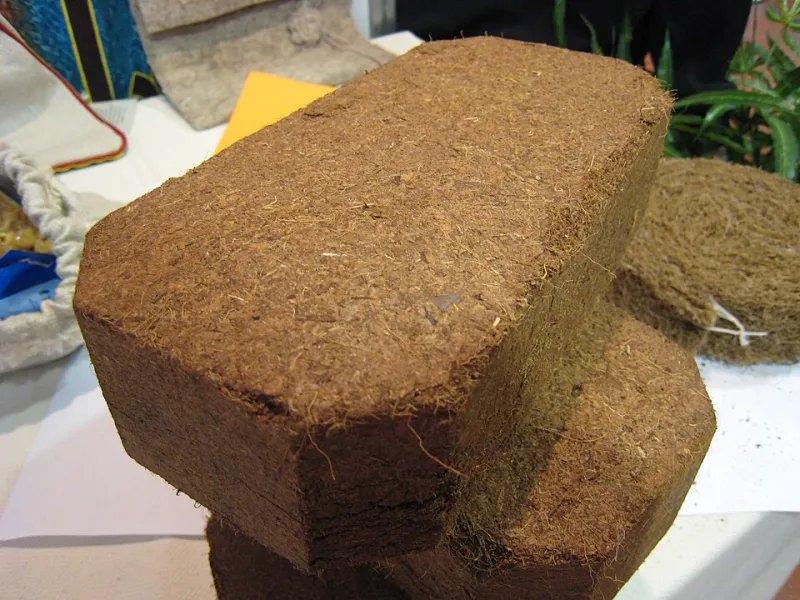
Photo: D-Kuru, CC BY-SA 3.0 at, via Wikimedia Commons
A button is not supposed to be the first thing you notice. It should sit there, do its job, and let the collar, the cut, or the fabric carry the conversation. But once you start paying attention to the small stuff, a bad button is hard to unsee. Plastic ones can look too shiny, too uniform, too much like they were poured rather than made. And in 2026, a growing number of independent Sri Lankan labels are quietly sidestepping that problem with a material that has been under their feet the whole time: coconut shell.
The Smallest Piece of Hardware, Doing the Most Work
In Colombo, the story is less about a trend cycle and more about supply and skill. Coconut shell is a byproduct—available, dense, and stubborn in a useful way. Small workshops cut, sand, drill, and polish it into buttons that feel closer to wood than to resin. The result is a button with weight, a little grain, and enough variation that two pieces never look exactly alike. On a white cotton shirt or an unlined summer jacket, that tiny bit of irregularity reads as intentional. On a cheap garment, it reads as a tell.
The appeal for designers is practical. Coconut buttons do not require a new material supply chain, and they can be finished in small batches. For American shoppers who have grown suspicious of “sustainable” labels that mean almost nothing, the button is a useful reality check. It is not a marketing story. It is a piece of hardware you can hold, tap against a table, and compare. If a brand is willing to spend money and time on something most people will never consciously notice, that says more about its standards than a hangtag ever will.
How to Spot a Good One
Not every coconut button is created equal. Some are thin, light, and splintery around the holes. Others are over-polished until they look like plastic trying to be wood. A good one tends to have a few things in common:
- Weight. It should feel denser than a comparable plastic button. Not heavy like metal, but solid.
- A clean edge. Run a fingertip around the rim. It should be smooth, not sharp or fuzzy.
- Clean holes. Look for crisp drilling and no chipping on the underside, where cheap buttons often give themselves away.
- Natural variation. Color can range from pale tan to deep brown, often with darker streaks. If every button on a shirt is identical down to the pixel, you are probably looking at resin.
- A sensible thickness. Shirt buttons can be thinner; jacket buttons should have a little more body. A too-thin button on a heavy fabric feels like a shortcut.
One note for the label-readers: coconut shell is not the same as corozo, the tagua-nut material often used in better menswear. Both are plant-based and both can look beautiful, but they age differently. Coconut tends to feel harder and a bit more mineral; corozo has a softer, ivory-like quality. Neither is automatically better. What matters is whether the maker chose the material for a reason and finished it properly.
How They Age (and What to Expect)
Coconut buttons are not precious. They are supposed to live on a garment, go through the wash, and pick up a little character. Over time, the polish dulls slightly, the edges soften, and the color can deepen. On an indigo shirt or a naturally dyed jacket, that slow patina is part of the point. It makes the garment look worn in rather than worn out.
That said, they are not indestructible. Harsh bleach, long soaks, and high heat are not kind to them. Turn the garment inside out, use a mesh bag if your machine is rough, and skip the dryer for anything you care about. If a button does crack—usually after years of use or a bad tumble—a tailor can replace it, but matching the exact shade can be tricky. Ask the brand for a spare. Good labels often include one.
Putting Them to Work in an American Wardrobe
The easiest entry point is a shirt you already own. If you have a plain oxford or a linen button-down with cheap plastic buttons, a tailor can swap them in under an hour. It is one of the least expensive upgrades in tailoring, and it changes the way the shirt feels in the hand. On a white or ecru shirt, coconut buttons add warmth without turning the look rustic. On a dark navy or olive shirt, they add contrast without shine.
Summer jackets are the next step. An unlined cotton or linen jacket with coconut buttons feels less formal than horn and less sporty than plastic. It works with chinos, with denim, with relaxed trousers. The trick is scale: jacket buttons should be big enough to look deliberate, but not so big that they read as costume. A tailor can help you get the proportion right.
For relaxed tailoring—soft-shouldered blazers, wide-leg trousers, overshirts—coconut buttons keep things from feeling too corporate. They pair naturally with handwoven cotton, slubby linen, and the kind of slightly imperfect fabrics that look better after a few washes. In Colombo, that combination is everywhere right now: easy shirts, loose trousers, and a button that looks like it came from a tree because it did.
The Quiet Argument
Slow fashion is usually sold with big language: transparency, craft, heritage, longevity. All of that matters. But the coconut button makes a smaller, more convincing case. It is a detail you can inspect. It is a material that did not need to be invented. And it is a reminder that quality often lives in the parts of a garment nobody is supposed to talk about.
You do not need to rebuild your wardrobe around it. Start with one shirt. Replace the buttons. See how often you notice them—and how often other people do. The answer, most likely, is not very often. That is the point. The best hardware does not announce itself. It just makes everything above it look a little more considered.