Wax, Dye, Repeat: Why Sri Lankan Batik Is the Summer 2026 Story Worth Wearing
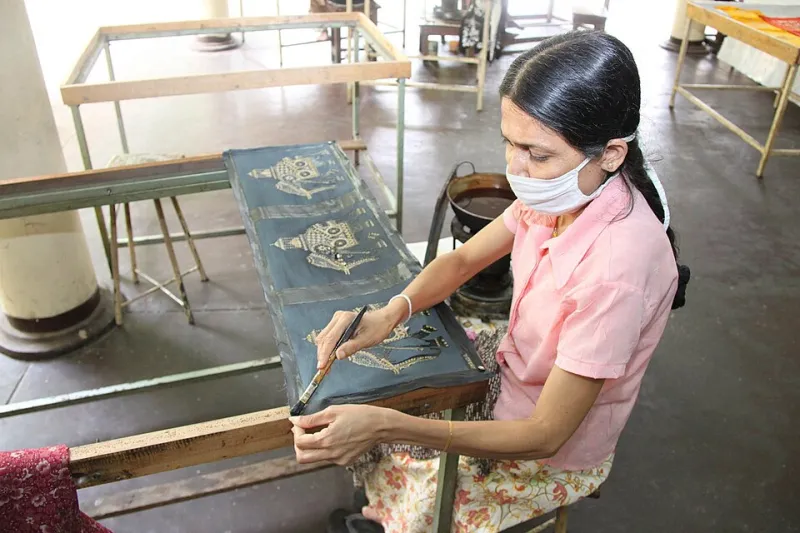
Photo: Peter van der Sluijs, CC BY-SA 3.0, via Wikimedia Commons
There is a particular kind of heat that makes you reconsider everything hanging in your closet. Not the dry, oven-blast heat of an Arizona afternoon, but the thick, humid, shirt-sticking-to-your-back version that arrives in July and refuses to leave until September. Most summer clothing solves for that problem by getting thinner. Sri Lankan batik solves for it by getting louder, lighter, and considerably more handmade.
For anyone who has only encountered batik on a market stall towel or a hotel lobby mural, the reassessment is overdue. The wax-resist textile has been quietly rewritten over the past few years by a generation of Colombo-based designers who grew up around the craft and got tired of watching it get flattened into airport gift shop territory. What they are making now is not folk art for the wall. It is clothing built for actual life, and it happens to slot neatly into the gap that tie-dye left behind.
First, a Quick Unlearning
Batik is not tie-dye with better branding. Tie-dye binds a shirt in rubber bands and dunks it. Batik draws with hot wax, then dyes, then repeats, layering color over color in a sequence that rewards patience. Where the wax sits, the dye cannot reach. Crack the wax and you get the fine spiderweb lines that make the whole thing feel alive rather than printed.
That process explains almost everything about how batik wears. The hand of the cloth stays soft because the dye sits on the surface rather than soaking through a plasticky screen print. Colors build up in layers, which is why a good piece looks deeper in person than in a photograph. And the irregularities, the tiny bleeding edges and wax marks, are the point rather than a defect. If a print is perfectly crisp and identical across four identical shirts, you are probably looking at a digital reproduction of the craft, not the craft.
Why It Reads Fresh in 2026
Three things are converging. First, tie-dye fatigue is real. The look has been on clearance racks for a few seasons now, and the pendulum has swung toward textures that suggest hand and history. Second, block prints had their own long run and are starting to feel pattern-library generic. Third, the broader shift toward fewer, better pieces has made people curious about provenance again. Batik answers all three at once: it is hand-made, it has a story, and nobody else on your block is wearing it.
There is also a purely practical argument. Wax-resist cotton breathes. It drapes without clinging. It wrinkles in a way that reads as relaxed rather than neglected, which is more than can be said for most of what passes for summer fabric.
Three Colombo Studios Moving the Craft Forward
Nadeesha Fernando built her label around a single garment: the camp-collar shirt. Her batik runs in oversized, slightly cropped cuts in indigo and rust, with patterns lifted from the geometry of temple stonework rather than the usual floral vocabulary. The shirts are made in small runs, and she has been deliberate about keeping the wax marks visible. Worn open over a tank with wide shorts, they are the easiest entry point into the whole category.
Rohan Jayasinghe works in what he calls soft tailoring, which in practice means sarong-cut trousers, elastic-back waists, and loose camp shorts in heavier wax-resist cotton. His argument is that batik has spent too long being decorative and not long enough being structural. The silhouettes are quiet, the patterns are loud, and the combination works.
Ishara Weerasinghe went the accessory route and it may be the smartest move of the three. Her line of long scarves and bandana-sized squares lets you test-drive the craft for the price of a lunch out in most US cities. Tie one to a tote handle, wear one as a headband in the heat, or knot it at the neck of a plain white tee. It is batik as punctuation rather than statement.
The Sustainability Question Deserves a Better Answer
Every article about handmade textiles eventually arrives at the word sustainable, and it is worth being honest about what that means here. Batik is not automatically low-impact. Wax-resist dyeing uses water, heat, and dye, and traditional workshops have historically been less than careful about runoff. Small-batch production and handwork reduce the waste of overproduction, and many newer studios are reusing wax and switching to lower-impact dye processes, but the honest framing is that batik is more traceable than conventional fast fashion, not magically clean.
The better question is not whether the fabric is sustainable in the abstract, but who made it and under what conditions. Ask studios directly. The ones doing it right tend to be proud of the answer.
How to Actually Wear It
Start with one piece, not a full look. A batik button-down over your usual denim is the friendliest move, and it works with a white tank underneath from June through September. If you want to go further, try a loose batik trouser with a plain black tee and leather sandals, which keeps the patterned element grounded.
Color is where people get nervous. The rule that saves you is simple: let the batik carry the color, and pair it with neutrals. Bone, black, olive, and faded denim will never fight a wax-resist print. Skip the urge to match a magenta shirt with magenta shorts. That is how you end up looking like a coordinated beach towel.
On care, treat it like any hand-dyed piece. Cold wash, inside out, hang dry, and keep it out of a hot dryer. Expect the colors to soften over the first few washes. That is not damage. That is the cloth settling in.
What the Patterns Are Actually Saying
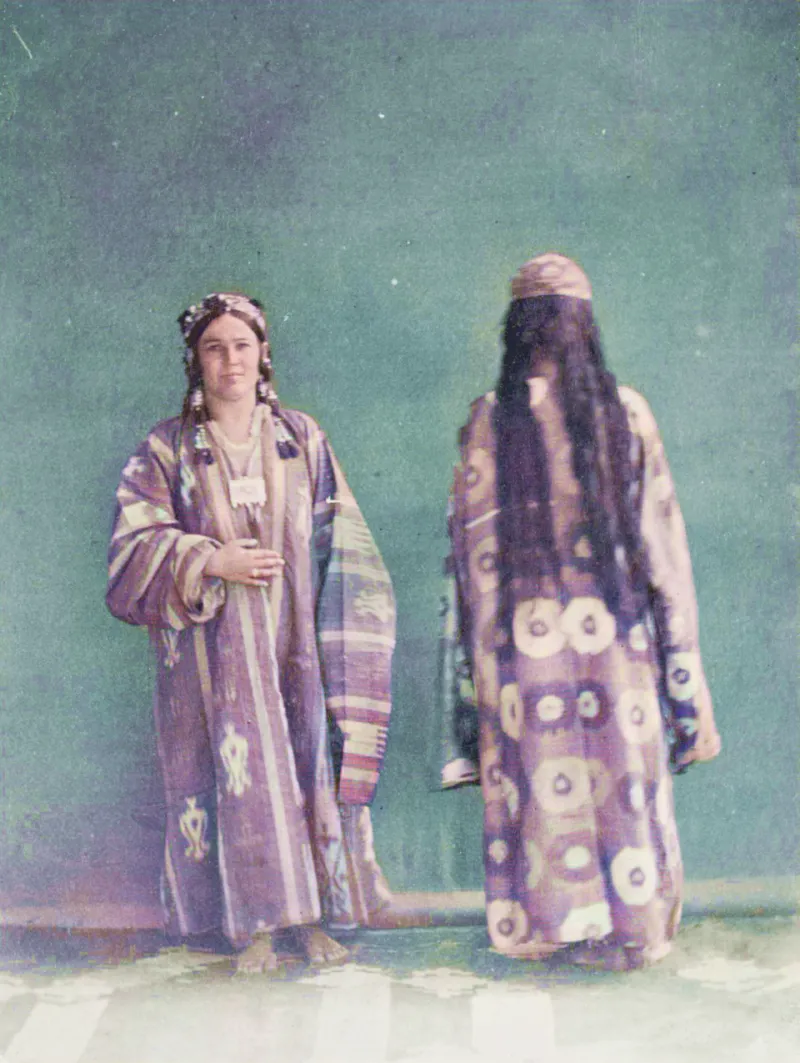
Sri Lankan batik has its own visual language, distinct from the Indonesian tradition it descended from. Lotus forms, peacocks, elephants, and abstracted village scenes show up alongside newer geometric work. Those motifs carry meaning within the culture, and a designer pulling them into contemporary clothing is doing something more interesting than printing a pattern.
For a US shopper, the respectful move is straightforward: buy from makers who can tell you where a design came from, and treat the piece as a garment with a lineage rather than a novelty. A wax-resist print with an actual source is a very different object than a machine-printed approximation of one.
The Short Version
Batik is not a trend cycle so much as a category that got overlooked. If you are tired of prints that look like everyone else's and you want a summer shirt that gets better with a few washes, this is the seam worth pulling on. Buy one piece. Wear it with everything plain. Ask who made it. Then see how quickly the rest of your summer wardrobe starts to feel a little underdressed.