Field Clothes, Not Costumes: What Ceylon’s Tea Country Teaches Us About Workwear
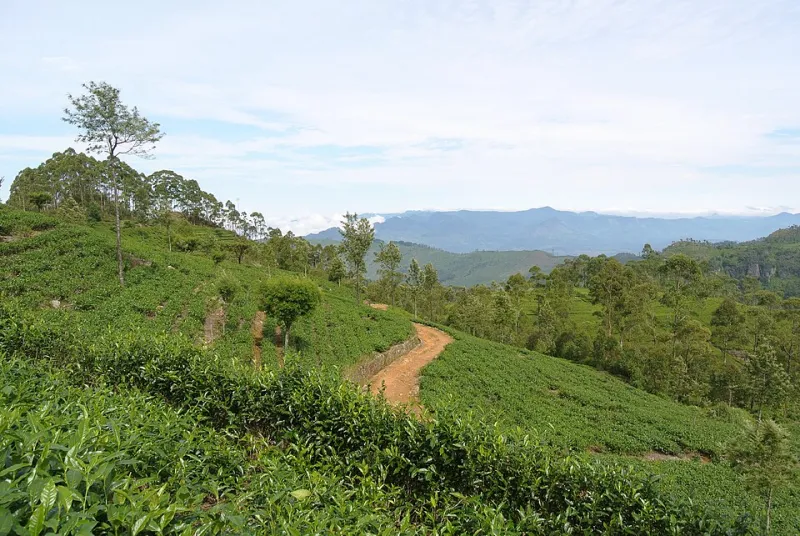
Photo: Adbar, CC BY-SA 3.0, via Wikimedia Commons
American workwear has a well-known mythology. There is the chore coat, the heavy denim, the boot that looks better scuffed. But in the highlands of Sri Lanka, another workwear tradition has been quietly solving the same problem—how to get dressed for real labor—without the mythology. On tea estates, the uniform is not a trend. It is a system, refined over generations for heat, rain, steep ground, and long days.
That system is worth looking at closely. Not because American closets need another costume, but because the best parts of plantation dress are the parts contemporary workwear often forgets: airflow, adjustability, coverage, and clothes that can be mended instead of replaced.
The Uniform Was Built for the Weather, Not the Feed
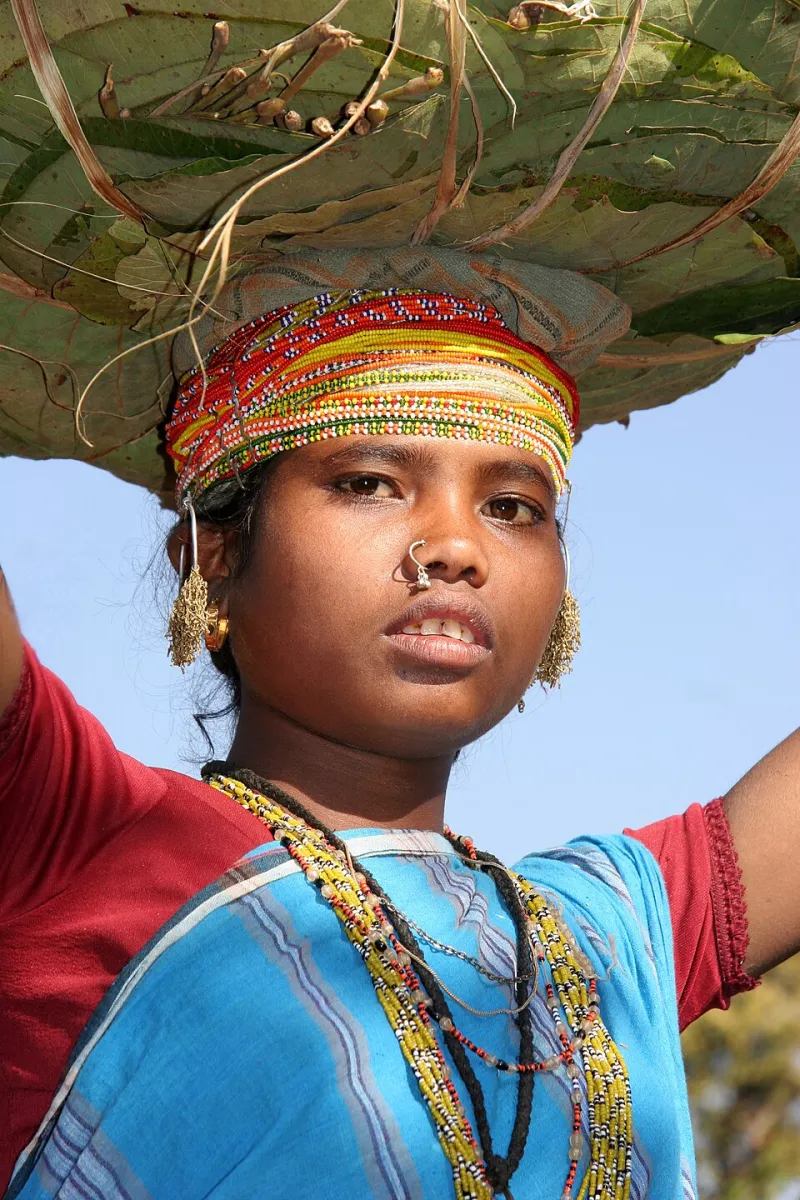
Sri Lanka’s tea country sits in the central highlands, where mornings arrive in mist and afternoons can turn bright and wet without much warning. Estate workers—many of them Tamil women whose families have worked these plantations for generations—dress for that reality. The familiar image includes loose cotton, a sarong-style wrap, a blouse, and a headscarf. The details vary by community and personal preference, but the logic is consistent: nothing should bind, overheat, or need babied.
This is not a look that was designed for photographs. It was designed for movement. A wrap can be retied. A loose sleeve can be pushed up. A head covering can protect against sun and leaf dust. Cotton breathes when the body is working. In other words, the uniform was never about uniformity. It was about removing friction between the person and the task.
A Masterclass in Hot-Weather Layering
American workwear often leans heavy. That makes sense in cold workshops and winter job sites. But for much of the country’s warmer months, the tea estate approach is more useful than another heavyweight flannel. The estate version of performance fabric is often just cotton that has been allowed to do its job.
There is a lesson here about loose fits. A wide sleeve and a relaxed body are not sloppy; they create ventilation. A wrap or adjustable waist is not old-fashioned; it lets one garment accommodate movement, meals, and changing temperatures. Coverage is not prudishness; it is protection. The point is not to copy the exact garments. The point is to ask why so much modern workwear is cut close, built stiff, and loaded with features nobody asked for.
Why the Details Do the Work
What makes plantation dress interesting is the small engineering. The way fabric is tucked to keep it out of the way. The way a scarf is tied for sun without blocking sight. The way a garment is washed, worn, patched, and worn again. These are not decorative choices. They are maintenance choices.
That matters in 2026, when so much of the fashion conversation around workwear is really a conversation about buying. The estate approach starts somewhere else: use what you have, keep it functional, and repair it before you replace it. There is a quiet kind of style in that, but it is not the kind you can buy in one click. It is closer to common sense.
What Sri Lankan Designers Are Reinterpreting
A new generation of Sri Lankan designers has been pulling from this vocabulary without turning it into a souvenir. The strongest pieces tend to borrow principles rather than silhouettes: breathable handwoven cotton, adjustable closures, generous cuts, deep pockets, and wrap details that can be tightened or loosened. Sometimes the result looks like a modern trouser. Sometimes it looks like a light jacket or an apron-style layer. Rarely does it look like a costume.
That distinction matters. When designers borrow from labor dress, the work can go two ways. It can flatten a living tradition into a mood board, or it can translate practical knowledge into clothes that are genuinely better. The latter is the more interesting project—and the one that makes sense for an American audience wary of dressing up as someone else’s history.
How It Lands in an American Closet
You do not need to wear a sarong to a Chicago office or a headscarf to a Austin coffee shop. The transferable ideas are simpler. Choose natural fibers when you can. Look for a looser cut through the body and sleeve. Prioritize a waistband that moves. Add a layer that covers without cooking you. Keep a scarf or bandana around for sun, wind, and bad hair days. Buy one good cotton shirt and wear it until it tells a story.
For workwear specifically, that might mean a lightweight cotton chore coat instead of a heavy canvas one, or wide-leg cotton trousers with an adjustable waist. It might mean a breathable button-up with a relaxed shoulder. It might mean learning to sew a button back on instead of ordering a replacement. None of this is dramatic. That is the point. Quiet style usually is.
The Part Worth Being Careful About
The people who wear plantation dress are not a trend forecast. Their clothes come from a specific history, including a difficult colonial and labor history that should not be smoothed into an aesthetic. The useful move is not to romanticize the uniform. It is to respect the intelligence behind it—the intelligence of dressing for the body, the weather, and the work.
That is what Trend Ceylon finds worth carrying forward. Not a borrowed look, but a better question: what would workwear look like if it were designed for the person inside it first? In 2026, as American closets fill up with more technical fabrics and more marketing claims, the tea country answer is almost refreshingly plain. Make it breathe. Make it move. Make it last. Then go do the work.