Your Next Work Top Might Be a Saree Blouse
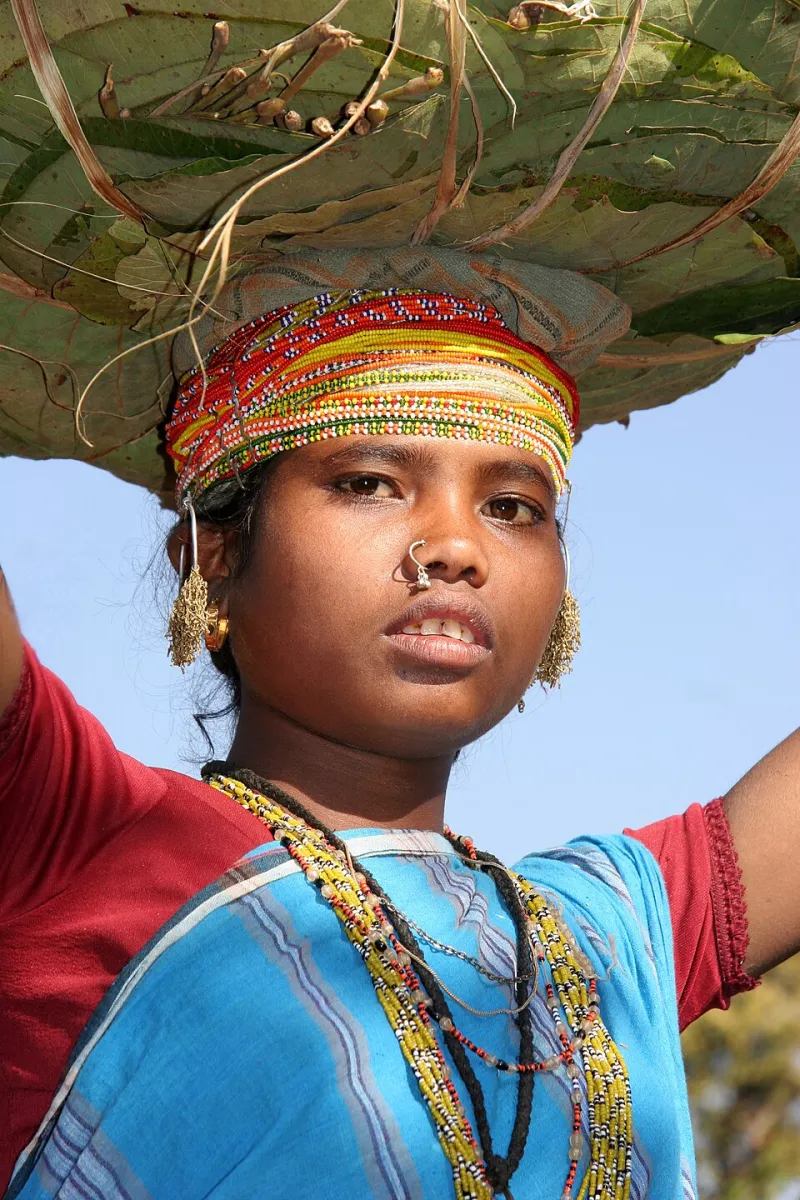
Photo: Yves Picq http://veton.picq.fr/, CC BY-SA 3.0, via Wikimedia Commons
There’s a garment hanging in plenty of South Asian closets that never gets credit for doing double duty. It’s not the saree itself. It’s the blouse—the fitted, often overlooked top that sits underneath all those yards of fabric. In 2026, Colombo designers and wearers are giving it a new life: on its own, with wide-leg jeans, tailored trousers, and the kind of layering pieces you’d normally pair with a button-down.
That shift makes sense. A good saree blouse is already engineered for movement and structure. It has to stay put, look polished, and feel comfortable for hours. Those are the same demands of a US workday, a dinner out, or a weekend that starts at a farmers market and ends at a friend’s apartment. The difference is that you don’t need the saree to make it work.
What the blouse actually is
A saree blouse—sometimes called a sari blouse—is a close-fitting top traditionally worn under the draped saree. It can be sleeveless, cap-sleeved, short-sleeved, or elbow-length. Many close with hooks at the back or side, and the best ones use princess seams or darts to shape the bust and waist without feeling restrictive. It is usually cropped to sit at the natural waist, though contemporary versions come longer, boxier, and easier to tuck.
The blouse has historically been treated as a supporting player: match it to the saree, keep it simple, don’t let it distract. But that’s changing. Designers in Colombo are cutting blouses that stand alone—think clean necklines, tonal embroidery, covered buttons, and fabrics that feel just as at home with denim as they do with silk.
Why it works without the six yards
A saree blouse is essentially a structured top with a built-in point of view. It holds its shape. It frames the shoulders and collarbone. It can be dressed up with a border or kept plain with a crisp cotton finish. And because it’s designed to sit close to the body, it layers well under blazers and overshirts without adding bulk.
For US closets, that translates into something rare: a top that looks intentional with very little effort. Pair a sleeveless cotton blouse with high-waisted wide-leg jeans and a belt, and you have a weekend outfit. Swap the jeans for tailored trousers and add a blazer, and it reads as office-appropriate. The silhouette is familiar—fitted top, relaxed bottom—but the details are different enough to feel fresh.
What to look for in fabric, cut, and embellishment
Fabric. Start with cotton. Handwoven Ceylon cotton, cotton poplin, and cotton-silk blends are breathable and hold a press. Linen blends work for summer but wrinkle more. Pure silk is beautiful for evenings, but look for a lining or a slightly heavier weight so it doesn’t cling. If you run warm, skip heavy synthetic linings.
Cut. Check the armhole first. A well-cut blouse should let you raise your arms without the whole top riding up. Look for princess seams, bust darts, and a back hook closure that lies flat. If you want a more relaxed fit, size up—but keep an eye on the shoulder seam. It should sit near the edge of your shoulder, not halfway down your arm.
Embellishment. This is where restraint pays off. Tonal embroidery, a thin zari border at the hem, piping along the neckline, or covered buttons feel modern. Heavy bridal beadwork and mirror work are harder to wear as a standalone piece. If you want drama, choose one detail—a statement sleeve or a sculptural neckline—and keep the rest quiet.
Colombo labels making the case
A handful of contemporary Ceylon labels are treating the blouse as a category of its own. Colombo-based Amba Studio cuts sleeveless cotton blouses with clean necklines and subtle piping—easy to wear with denim or under a jacket. Kora leans into handwoven fabrics and boxier shapes, with tops that feel more like a summer shirt than a traditional blouse. And made-to-order ateliers like The Saree Room are offering blouses in tonal silks and cottons with adjustable back closures, which helps with fit if you’re shopping from the US.
These aren’t costume pieces. They’re tops that happen to come from a saree wardrobe. That distinction matters when you’re building a closet that mixes cultures without turning them into a theme.
How to wear it stateside
For work: Tuck a sleeveless or cap-sleeve blouse into high-waisted tailored trousers. Add a relaxed blazer and loafers. If the blouse has a border or embroidery, keep the trousers plain. If it’s solid, try a subtle stripe or a warm neutral.
For weekends: Pair a cropped cotton blouse with wide-leg jeans and flat sandals. A half-tuck keeps it casual. Add a canvas tote and you’re done.
For evenings: Choose a silk or satin blouse with a tonal embroidered neckline. Wear it with a midi skirt or dark straight-leg jeans, heeled sandals, and one piece of jewelry. The blouse is the statement—don’t crowd it.
For layering: Wear a plain cotton blouse under an open overshirt or a cardigan, just as you would a fitted tee. Because the blouse is structured, it won’t bunch. If you want to wear it over something, look for a longer, boxier cut and treat it like a vest.
Sizing and shopping notes for US buyers
Saree blouses are often sized by bust measurement, not US numeric sizes. Check the size chart before you order, and if you’re between sizes, go with the larger one—tailoring a blouse in is easier than letting one out. Made-to-order labels usually ask for bust, waist, and shoulder measurements; the turnaround can be a few weeks, so plan ahead.
Search terms like “readymade saree blouse,” “sari blouse,” and “cotton saree blouse” will surface options from South Asian boutiques, Etsy sellers, and independent designers. Look for shops that show the blouse on a model and list the back closure and lining. If you’re buying silk, confirm the care instructions before you commit.
Care that keeps it sharp
Most cotton blouses can be hand-washed in cold water and dried flat. Silk and heavily embellished pieces should be dry-cleaned. Iron on low from the inside, and avoid pressing directly on zari or beadwork. A steamer is gentler on structured fabrics and helps the blouse keep its shape.
The saree blouse doesn’t need the saree to be useful. In 2026, it’s earning its own hanger—and a spot in your regular rotation.